SES electronic signatures: speed and simplicity for your business
In today’s fast-paced digital economy, waiting days for a physical signature is no longer an option. Electronic signatures have transformed from a "nice-to-have" innovation into a critical business necessity. For freelancers, SMEs, and accountants, the Standard Electronic Signature (SES) offers the perfect balance of speed and simplicity.
What is an electronic signature?
An electronic signature, or e-signature, is the digital counterpart of a traditional handwritten signature. It serves as electronic proof of a person’s intent to agree to the contents of a document.
However, under the European eIDAS regulation, not all electronic signatures are created equal. They are categorised into three levels based on their security and verification requirements: Standard (SES), Advanced (AES), and Qualified (QES).
What does an SES look like in practice?
According to eIDAS, an SES is defined as "data in electronic form which is attached to or logically associated with other electronic data and which is used by the signatory to sign."
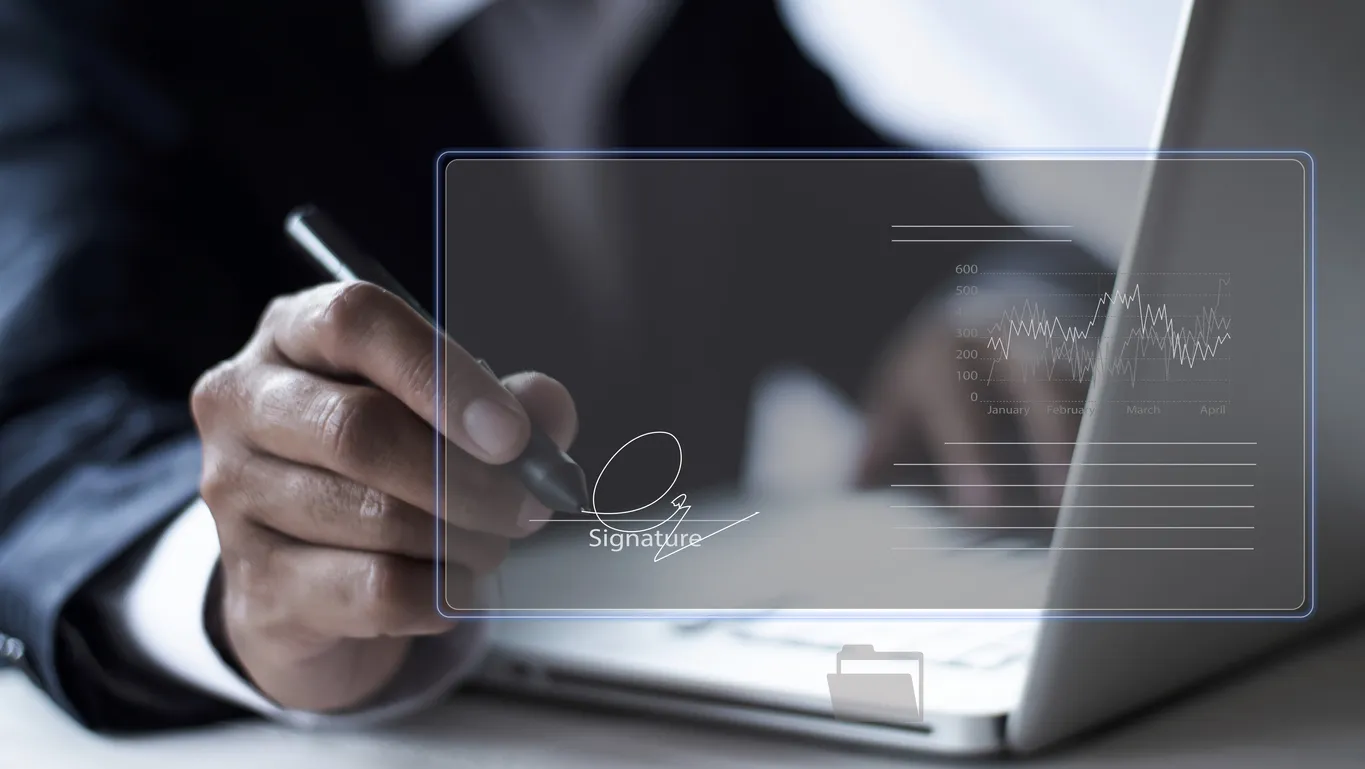
In simpler terms, an SES is any electronic mark that indicates agreement. Common examples include:
Typing your name at the end of an email.
Checking an "I Agree" box on a digital form.
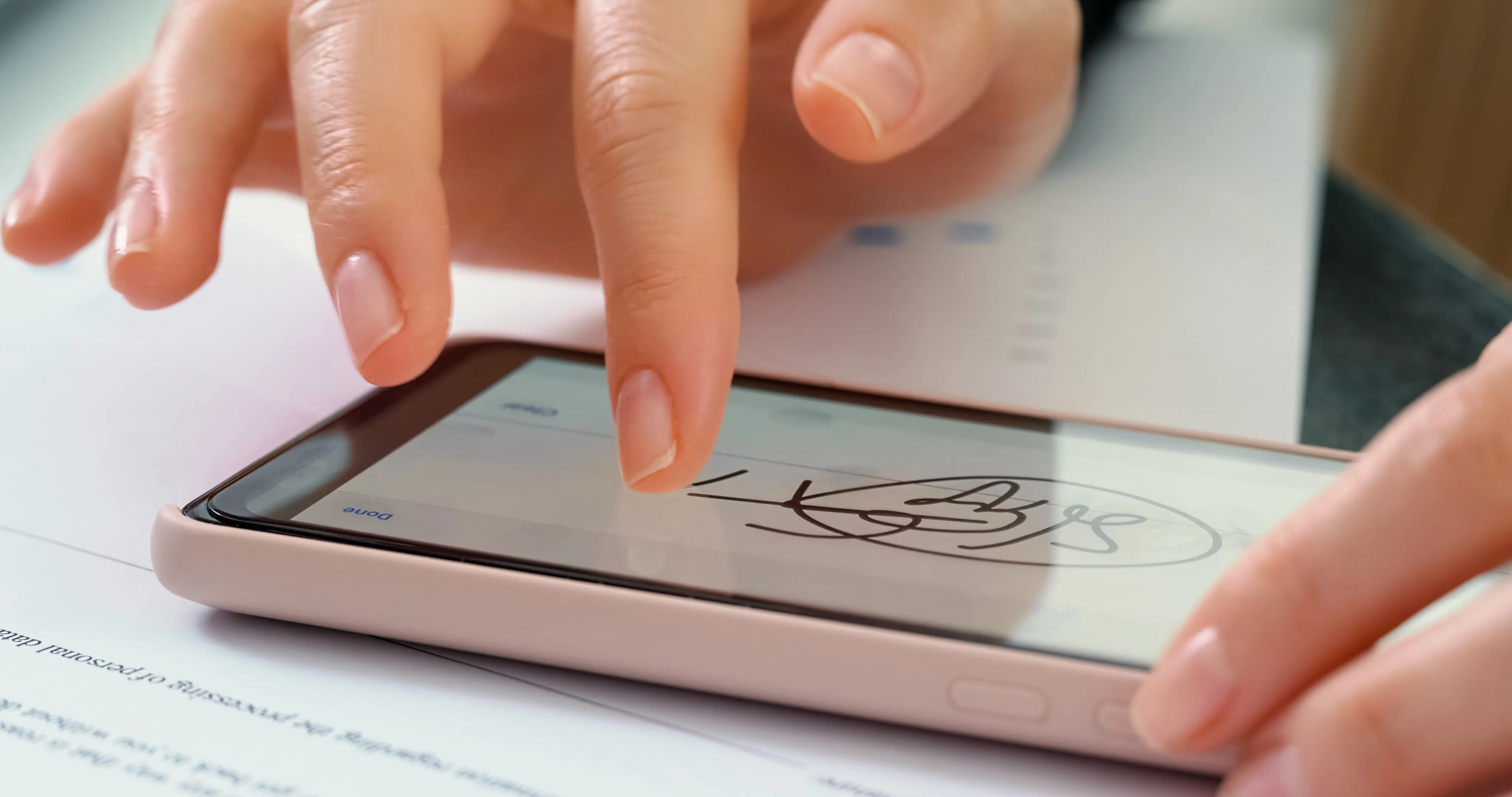
"Scribbling" your signature with a mouse or touchscreen.
Clicking a button to "Accept" a document within a platform like Banqup.
The beauty of SES lies in its minimal friction. It doesn't require complex identity checks or specialised hardware. This makes it ideal for low-risk, high-volume documents where speed is your top priority.
Is an SES legally valid?
A common concern for business owners is whether a simple digital mark holds up in court. The answer is a definitive yes.
Under the eIDAS regulation, an electronic signature cannot be denied legal effect or admissibility as evidence in legal proceedings solely because it is in electronic form. Across the European Union, an SES carries the same legal weight as a physical signature for the vast majority of commercial agreements, including:
Internal HR documents and expense reports.
Service Level Agreements (SLAs)
Non-Disclosure Agreements (NDAs)
Digital signature vs. electronic signature: what’s the difference?
While the terms are often used interchangeably, there is a subtle distinction.
Electronic Signature is the broad legal term for any electronic process that indicates acceptance.
Digital Signature is a technical term referring to the specific cryptographic technology used to secure the signature and ensure the document hasn't been tampered with.
SES is a specific type of electronic signature that focuses on intent and ease of use, making it the most accessible entry point for digital transformation.
Boost your productivity with our sign solution
Ready to eliminate the "print-sign-scan" cycle for good? Our sign solution allows you to seamlessly integrate SES into your existing workflow.
By using Banqup’s sign solution, your business can:
Sign in seconds: Finalize documents instantly from any device.
Reduce costs: Save on paper, ink, postage, and physical storage.
Track in real-time: See exactly when a document has been opened, viewed, and signed.
Stay secure: All signed documents are automatically stored in your secure digital archive, accessible whenever you need them.
In a modern business environment, speed is a competitive advantage. Standard Electronic Signatures (SES) are the key to unlocking that speed without sacrificing legal validity.