compliance
regulations
vida
peppol
27/05/2026
Belgium’s mandatory B2B e-invoicing via Peppol is live as of January 1, 2026. Learn the key requirements, common challenges, and what businesses must do to stay compliant.
Read more
26/05/2026
EU adopts VAT in the Digital Age (ViDA) reforms! E-invoicing, reporting changes start from 2025, aiming to reduce VAT fraud and improve compliance.
payment
21/05/2026
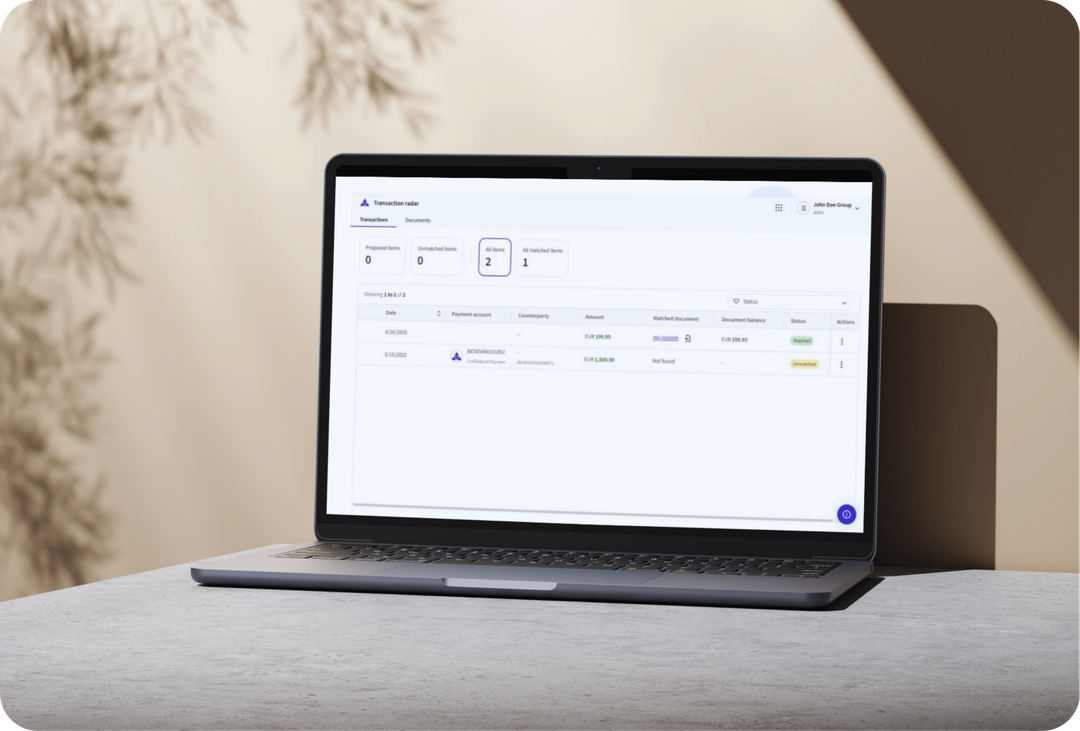
Tired of wasting hours trying to match endless bank transactions to the right invoices? Manual bookkeeping is a frustrating chore that drains your time and leaves room for costly errors. In this post, we break down 5 clear reasons why you should make the switch to automatic reconciliation. Discover how smart tools like Banqup’s Transaction Radar eliminate the guesswork, give you real-time cash flow insights, and help you win back your week so you can focus on what really matters: growing your business.
Norway launches a consultation on mandatory e-invoicing by 2028, following Denmark’s lead. Discover how Scandinavia is shaping the future of digital compliance.
15/05/2026
Oman’s OTA has released the Fawtara e-invoicing draft data dictionary. Learn more about the 2026 phased rollout, the 5-corner model, and key compliance steps with Banqup.
trends
E-invoicing is reshaping the GCC’s digital landscape, driven by modernization and evolving VAT rules. Governments are using it to improve compliance, efficiency, and transparency. Here’s what it means for businesses today.
11/05/2026
The UAE is modernising its VAT administration by introducing a new e-invoicing initiative. The initiative aims to streamline compliance, increase transparency, and boost revenue collection. It is a significant step in the government's digital transformation efforts.
04/05/2026
Croatia’s mandatory B2B e-invoicing and e-reporting system is now live and operational, with millions of e-invoices successfully processed since 1 January 2026.
01/05/2026
The Malaysian government, like many others around the globe, is moving towards mandatory electronic reporting to enhance tax administration and to improve the country’s invoicing efficiency.
30/04/2026
Self-billing via Peppol transforms invoicing by letting buyers issue invoices directly, reducing errors, saving time, and ensuring full compliance with European standards. Explore how companies and public institutions in Belgium can leverage this secure, automated process to streamline operations and lower costs.
By January 1, 2027, Slovakia is set to implement mandatory e-invoicing and e-reporting, adopting a model comparable to the Peppol-based “five-corner model”. This article examines the latest legislative changes and their impact on businesses operating in Slovakia.
24/04/2026
Australia and New Zealand have developed a unified e-invoicing framework under the Trans-Tasman e-invoicing Arrangement (TTEIA) since 2019. Discover more about this framework with Banqup.
22/04/2026
Spain has approved the Royal Decree under the Crea y Crece law, making B2B electronic invoicing mandatory for companies and professionals. Discover more.
17/04/2026
The EU reviews its e-invoicing Directive to improve cross-border harmonisation and reduce complexity, with potential impact on future B2B requirements. Discover what this means for your business.
15/04/2026
Starting a new business? E-invoicing is mandatory for B2B. Discover how you, as a starter, can automatically send, receive and/or process invoices via Peppol.